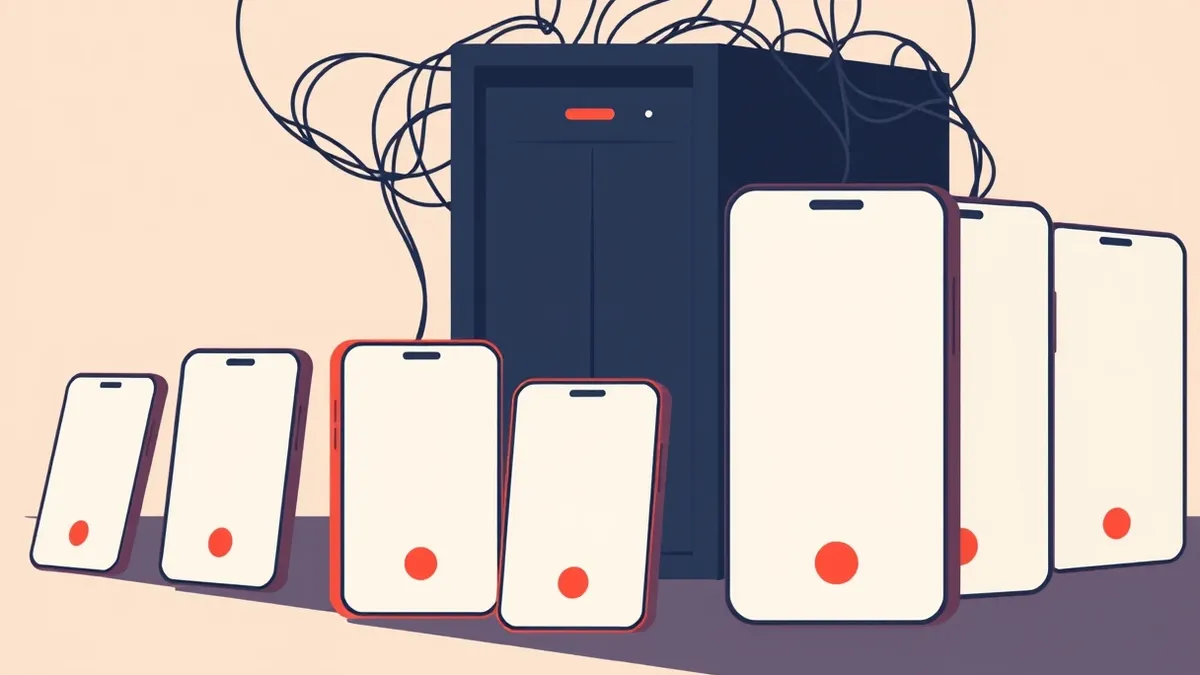
Over 400 AI apps hide abusive deepfake features behind mundane interfaces
Investigation reveals network of deceptive apps generating explicit content, evading store policies for a year.
Key points
- More than 400 connected domains and apps were found to contain hidden features for creating abusive deepfakes.
- The network, linked to Chinese developers and KeLing Technology Limited, operates via deceptive everyday service claims.
- Explicit ads on Meta platforms drove traffic to these apps, which accept payments through Apple and Google Pay.
An investigation by WIRED identified a network of more than 400 connected domains and applications that conceal features for generating sexually abusive deepfake images and videos.reported These services, often presenting themselves as harmless tools like pet portrait generators or language tuition apps, load explicit content interfaces under specific conditions.A hidden network of over 400 apps is secretly letting users create abusive fake images and videos.WIRED documented a coordinated network of 400+ domains using deceptive UIs to bypass store reviews for abusive deepfake generation. The apps allow users to upload photos to create violent or sexualised AI-generated scenes, including depictions of non-consensual acts.
Evidence: reported
Hundreds of Mundane AI Apps Are Hiding Sexually Abusive Deepfake Featuresaifleet-wired
How we got here
Researchers uncovered this network after tracing links from thousands of video advertisements published on Meta’s Facebook and Instagram. These ads contained explicit deepfake content, including AI-generated child sexual abuse material involving real children and public figures. The advertisements reached tens of thousands of users, prompting regulatory investigations across multiple jurisdictions. The deceptive apps were listed in Apple and Google’s app stores, enabling payments via their respective systems.
What is new
The scale of the operation is now documented as a coordinated network rather than isolated incidents. The investigation links these disparate apps to a single operational structure, identified through domain reviews and service behaviour. The network appears to be run by Chinese-language developers and a Hong Kong-registered entity named KeLing Technology Limited. This attribution provides a clearer picture of the infrastructure behind the deceptive content generation.
What to watch
Regulators around the world have launched investigations into the explicit ads and the resulting harm. Meta, Apple, and Google maintain that they enforce policies against harmful deepfake content, despite the apps remaining available for approximately a year. The network has published dozens of new apps weekly at times, suggesting an ongoing effort to bypass platform detection and review processes.
Availability and limits
For AI application developers, this report highlights the vulnerability of app store review processes to deceptive interfaces. The apps were accessible via major mobile platforms, allowing users to generate and pay for explicit content. There is no confirmed fix from the platforms to prevent such deceptive listings. Developers must consider how their tools might be repurposed or hidden within broader deceptive networks, as access remains open despite policy violations.
Why it matters
- App store policies failed to detect hundreds of deceptive apps operating for a year, indicating significant gaps in automated review systems.
- The use of everyday service facades suggests that benign AI tools can be easily repurposed for malicious content generation.
- Regulatory scrutiny is increasing, which may lead to stricter compliance requirements for AI application developers and distributors.
- Payment integration with major platforms facilitated the monetisation of abusive content, raising liability questions for service providers.
Topics: AI ethics, app security, deepfakes, platform policy, content moderation
Updated
Then / now / next
Deceptive apps were suspected but not fully mapped as a coordinated network.
WIRED has documented over 400 connected apps and identified the operators.
Regulators are investigating the ads and the resulting harm caused by the network.
Story timeline
- Then Deceptive apps were suspected but not fully mapped as a coordinated network.
- 02 Nov 2026 Hundreds of Mundane AI Apps Are Hiding Sexually Abusive Deepfake Features
- Now WIRED has documented over 400 connected apps and identified the operators.
- Next Regulators are investigating the ads and the resulting harm caused by the network.
The strongest doubt
Counterpoint from the sources
Meta, Apple, and Google state they enforce policies against harmful deepfake content, contradicting the presence of these apps.
For readers
Developers
- Be aware that benign AI tools can be repurposed for malicious content generation within deceptive networks.
- Consider the risks of your applications being used to facilitate abusive deepfake creation.
Policy
- Regulatory investigations are ongoing following the discovery of explicit ads and abusive content.
- Platform policies may need strengthening to detect deceptive app interfaces effectively.
Consumers
- Exercise caution when downloading AI apps, as some may hide explicit content features.
- Report suspicious apps to platform providers to help remove harmful content.
Ask the article
Local keyword search of this article; no generated answers.Did this article give you the evidence you needed?
Your choice stays on this device. No public tally.Terms in this story
Deepfake
AI-generated media that replaces or mimics a person's likeness in images or videos.
KeLing Technology Limited
A Hong Kong-registered entity linked to the operation of the deceptive app network.
App store review
The process by which platform providers check applications before allowing them to be downloaded.
Questions readers ask
How many apps are part of this deceptive network?
WIRED identified more than 400 connected domains and applications linked to the network.
Who is behind the development of these apps?
The network appears to be run by Chinese developers and a Hong Kong entity called KeLing Technology Limited.
Are these apps still available on app stores?
The material states the network has been publishing apps for around a year, implying ongoing availability despite policies.
Connected stories
Reading receipt
- More than 400 connected domains and apps were found to contain hidden features for creating abusive deepfakes.
- The network, linked to Chinese developers and KeLing Technology Limited, operates via deceptive everyday service claims.
- Explicit ads on Meta platforms drove traffic to these apps, which accept payments through Apple and Google Pay.
Still open: How effectively will platform providers update their review processes to detect such deceptive interfaces?
Still open: Will regulatory investigations lead to legal action against the identified developers and entities?